
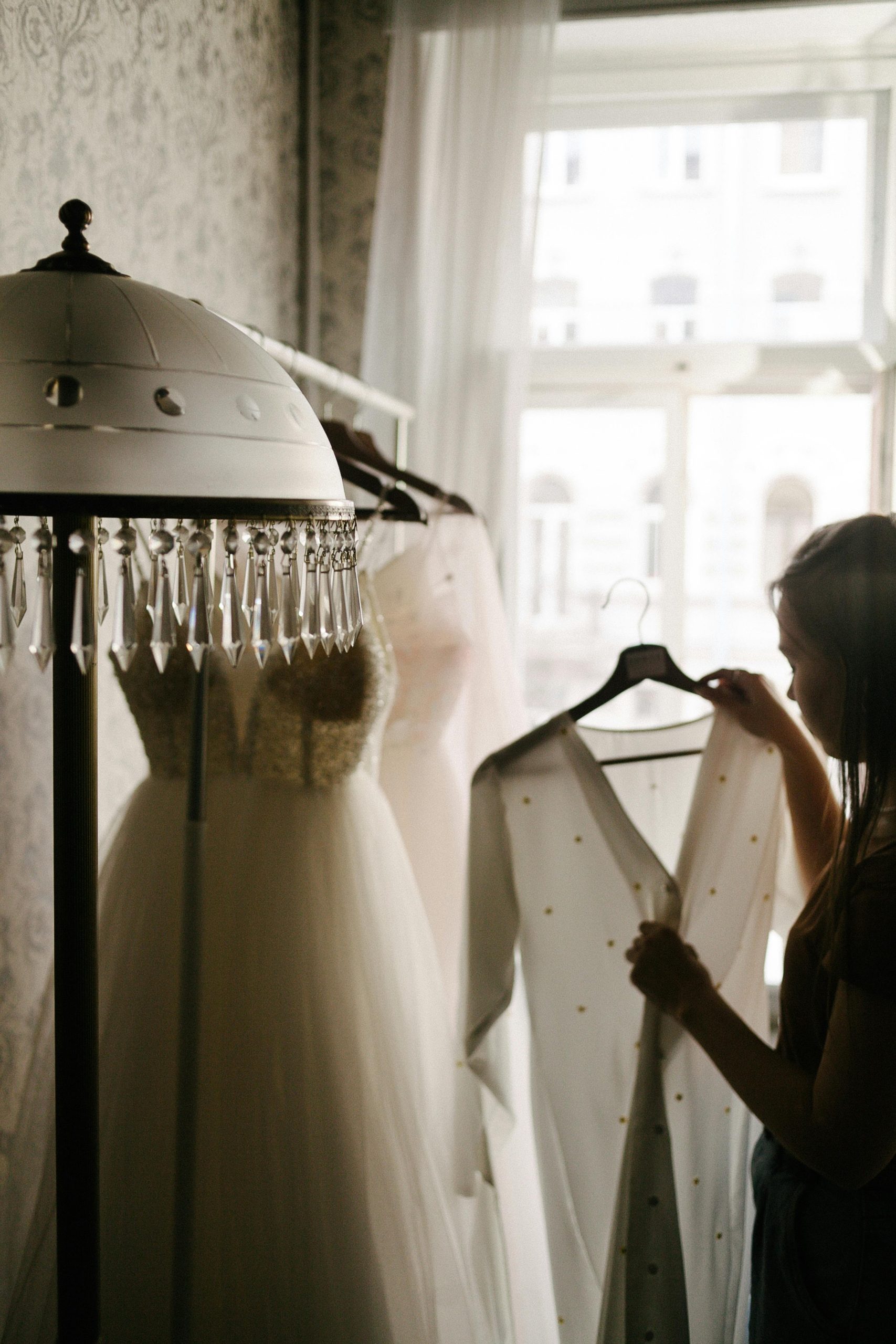
Summer weddings in 2026 are moving away from heavily structured, almost costume-like bridal looks. What’s replacing them isn’t one clear trend; it’s more of a change in how brides are thinking.
The focus has moved from “how does this look in one perfect photo” to “can this actually carry through the whole day?” That includes walking around, sitting for hours, being under the sun, and, whether intended or not, ending up in dozens of videos.
A lot of that shift is coming from what people are seeing online. Not styled campaigns, but real weddings. Slightly imperfect lighting, dresses in motion, hair moving in the wind. It’s changed expectations without people even realising it.
Lightweight Fabrics Are Becoming the Default
Chiffon, organza, soft tulle, these aren’t backup options anymore. They’re leading the conversation. Even fabrics like linen blends, which used to feel too informal for bridal wear, are showing up in more refined ways. Especially in outdoor or daytime weddings, they just make more sense.
But it’s not only about staying cool. These fabrics behave differently. They don’t sit stiffly. They move when the person moves. They catch light in a softer way. That matters more now, especially because so much of a wedding ends up on camera, often in motion, not posed.
There’s also a slight return of sheer layering. Not overly styled, just enough to give the outfit some dimension without making it feel heavy.
Silhouettes Are Loosening, Not Drastically, But Noticeably
Structured corsetry isn’t gone, but it’s not the starting point anymore. There’s more space now for draped shapes, slip-style dresses, and cuts that don’t feel restrictive. Part of it is practical. Weddings aren’t just a two-hour event anymore. They stretch across multiple functions, longer timelines, and more movement. No one wants to feel held in place the entire time.
But there’s also a shift in attitude. The idea of looking “perfect” has softened. Feeling comfortable enough to move, sit, or even just breathe properly is starting to matter just as much.
Lightweight fabrics and relaxed silhouettes often seen in collections from Love Bridal are dominating summer wedding trends. That line between comfort and style isn’t really a trade-off anymore. It’s expected that both exist together.
Two-Piece Sets and Looks That Can Change
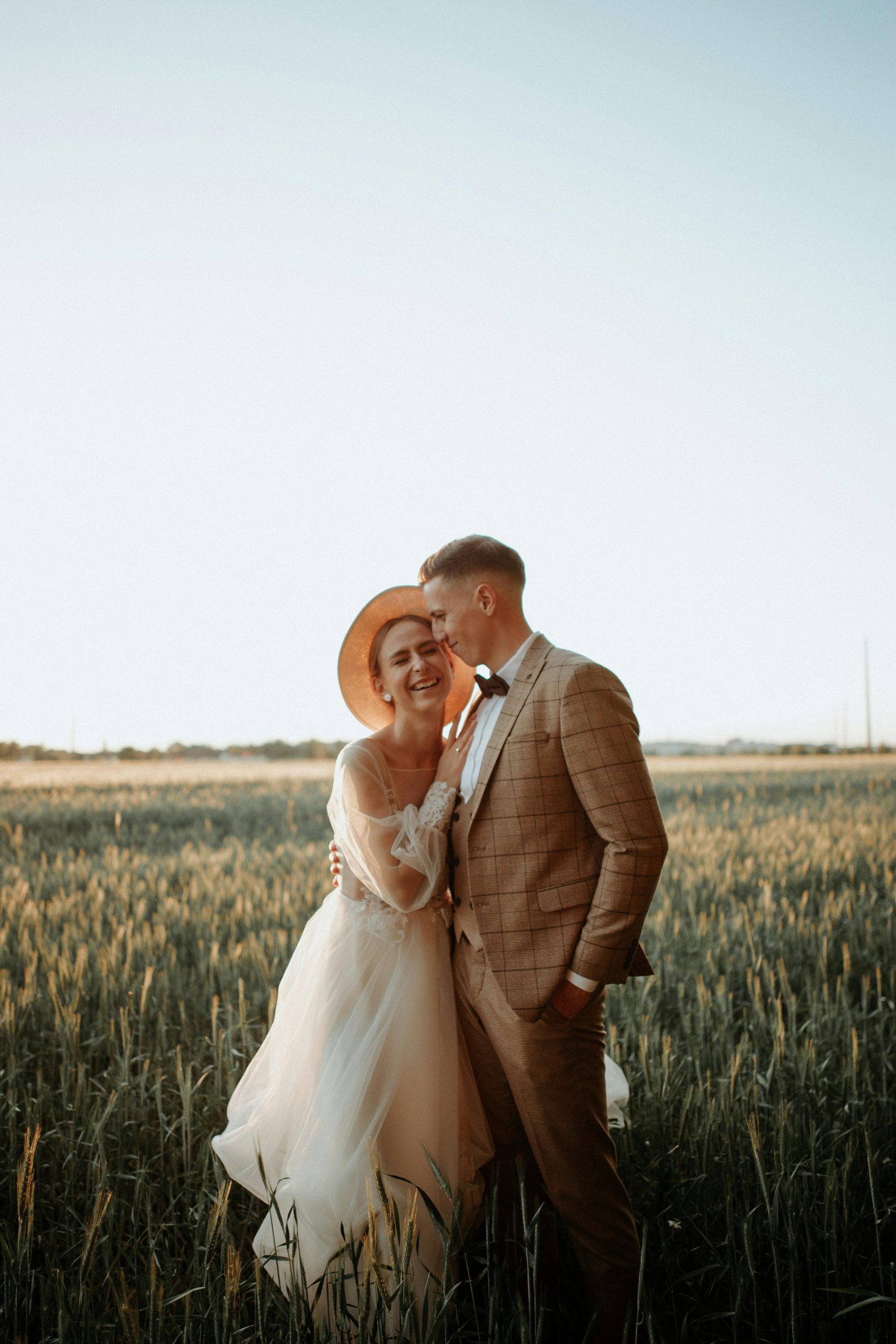
One of the more noticeable changes this year is how adaptable outfits have become. Two-piece sets, like a structured top with a skirt, or even trousers, are showing up more often than expected. They’re not replacing traditional dresses entirely, but they’re becoming a real option, especially for smaller weddings or destination settings.
Convertible elements are also becoming more common. Detachable sleeves, overskirts, and capes are things that can be removed or added without needing a full outfit change. It solves something very specific. Brides want different looks for different moments, but not the inconvenience of changing completely. This sits somewhere in between.
There’s also a practical angle. Pieces that can be worn again, styled differently later, or separated entirely feel like a more considered purchase.
Colour Is Expanding, But Quietly
White hasn’t gone anywhere. Softer tones, such as champagne, blush, powder blue, and even muted metallic shades, are becoming more visible and well-liked, especially in summer settings where bright white can feel too glaring and plain under natural light. These shades don’t just look different; they respond differently to light and photography. They feel less harsh, more natural.
There’s also a subtle use of tonal embroidery and barely-there gradients. Nothing that immediately stands out, but enough to add something when you look closer.
Minimal Doesn’t Mean Empty Anymore
It’s less about removing everything and more about focusing on one strong element. That could be a neckline, a back detail, or sleeves that carry the entire look. Everything else stays relatively quiet.
This shift makes sense when you consider how weddings are being viewed now. On smaller screens, heavily detailed outfits don’t always translate well. Simpler silhouettes with one clear focal point tend to hold attention better.
Styling Feels Less Random
There’s more thought going into how everything comes together, such as dress, hair, and accessories. Not in an overdone way, but in a way that feels balanced.
A sleek bun with an open-back dress. Soft waves paired with something minimal. Braids with more relaxed silhouettes. These combinations aren’t accidental anymore.
Accessories are also being handled differently. Instead of layering multiple pieces, there’s usually one or two that actually stand out. The rest stays understated.
Where Things Are Heading
There isn’t one dominant look defining summer bridal fashion right now. And that’s probably the most accurate way to describe it. Outfits are being chosen with more context in mind. They need to work across different moments, such as walking, sitting, dancing, being photographed, and being filmed.
They also need to feel right beyond just the ceremony. That shift isn’t dramatic when you look at it from the outside. But it’s changing how decisions are being made.
Brides aren’t trying to fit into a fixed version of bridal style anymore. They’re choosing what holds up across the entire experience, and that’s what’s shaping 2026.

