

A runway show might last ten minutes, sometimes less. Everything leading up to that moment is anything but short or simple. Weeks of fittings, revisions, and planning build up to a few tightly choreographed minutes. And even then, nothing runs exactly as planned.
What looks effortless from the front row is usually controlled disorder behind the curtain, such as people moving quickly, decisions being made on the spot, and small issues being solved before anyone outside notices.
The Precision Behind the Chaos
Backstage is not calm. It’s organised, but only just enough to keep things from falling apart. Stylists, designers, makeup artists, and production teams are all working at the same time, often in limited space, all against the same clock.
One delay can ripple through everything. A model arrives late. A shoe doesn’t fit. A zipper refuses to close. None of these are unusual; they’re expected. The difference is how quickly they’re handled.
Coverage from Vogue Business points out how timelines have tightened significantly in recent years. Shows are no longer just about presenting a collection; they’re tied to immediate online releases, social media drops, and global visibility within minutes. There’s less room for error than ever before.
That’s why every look is assigned a sequence, every model a position, and every second accounted for. Quick changes often happen in under a minute, sometimes faster. There’s no pause button.
Styling Under Time Pressure
Outfits seen on the runway are rarely final until just before they’re worn. Adjustments happen constantly, such as hemlines are pinned, jackets swapped, and accessories changed at the last second. What worked in a fitting room doesn’t always work under lights or movement.
Hair and makeup don’t wait for styling to finish. Everything overlaps. One model is in a chair getting final touch-ups, while another is mid-fitting, and someone else is already dressed and waiting.
Backstage insights from Business of Fashion show how teams now rely on live tracking tools to monitor who is ready, who is late, and which looks need adjustments. It’s less about perfection and more about staying ahead of problems.
Keeping Everything in Sync
The biggest difference between a chaotic show and a smooth one comes down to coordination. Not creativity, coordination. There are multiple moving parts: lineup management, outfit sequencing, timing cues, lighting, and music. Everyone needs to stay aligned without stopping to ask questions.
In larger productions, especially across multiple backstage zones, teams often depend on systems like two way radio hire to stay connected. It allows instructions to move instantly without adding noise or confusion to an already crowded environment. Because once the show starts, there’s no room to stop and fix communication gaps.
Model Flow and Timing
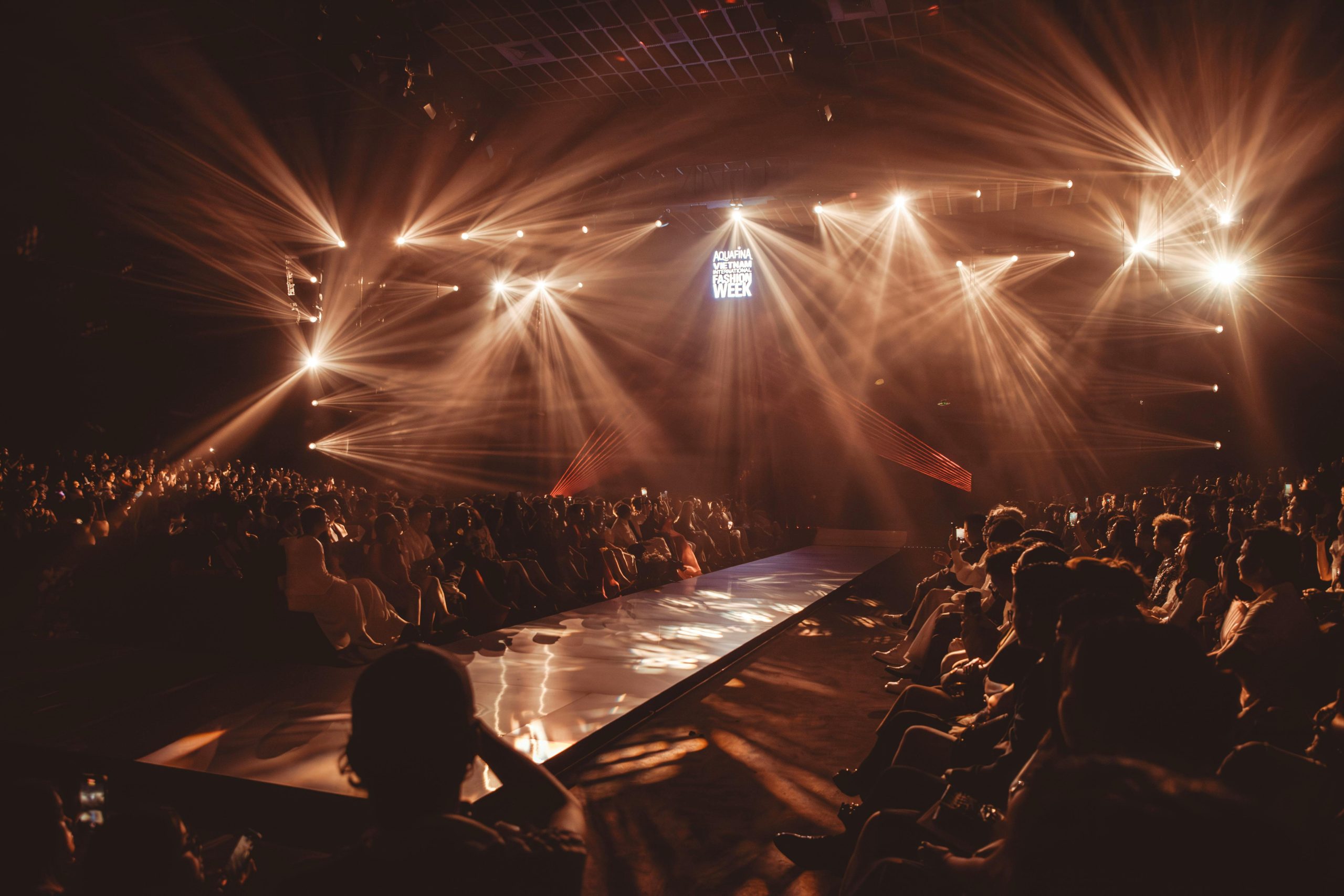
Models aren’t just walking, they’re part of a sequence that needs to feel intentional. The order matters. The pacing matters. Even the way fabrics move one after another is planned.
Backstage, models are prepared in groups, not individually. There’s a rhythm to it. If one model isn’t ready, adjustments happen quickly, and sometimes the order changes on the spot.
There’s also more variation in casting now, which adds complexity. Different body types, different fits, different adjustments. It’s no longer a one-size approach, which means more precision is needed in less time.
The Role of Technology
Fashion may appear artistic, but backstage operations are increasingly technical. Digital run sheets, live updates, and coordination tools are now standard in larger shows.
Lighting, sound, and stage cues are programmed, but still need real-time control. One mistimed cue can throw off the entire sequence.
Sustainability is also changing how things are handled. Designers are reusing materials, reducing waste, and limiting excess production during fittings. That sounds positive, and it is, but it also removes the safety net of “just make another one.”
The Final Minutes Before Showtime
Right before the show begins, everything speeds up. Final checks happen quickly, such as garments are steamed, accessories are fixed, and shoes are cleaned.
There’s tension, but it’s focused. People stop talking as much and start moving faster. And things still go wrong. A seam might open. A heel might snap. A look might need to be replaced seconds before stepping out. None of this is rare. What matters is that the audience never sees it.
Why It All Looks Effortless
From the outside, a runway show feels smooth, controlled, almost easy. That’s the point. Behind that is constant adjustment, quick decision-making, and a level of coordination that most people never notice.
A fashion show isn’t just about clothes. It’s a live production where timing, communication, and adaptability matter just as much as design. And if everything looks effortless, it usually means the backstage team did their job right.

