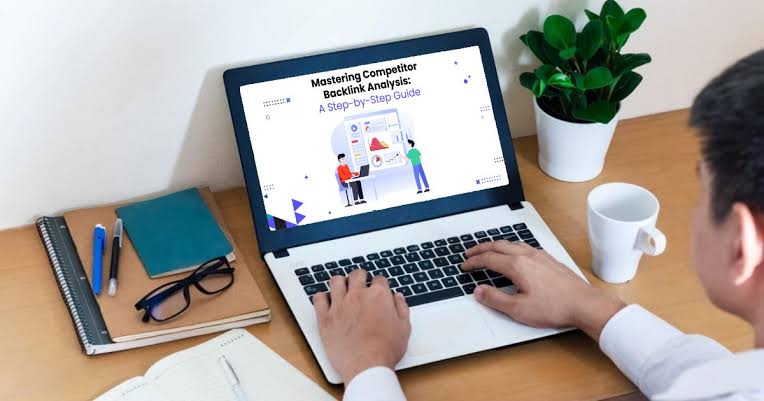
A polished website and a carefully styled social feed can make a fashion brand memorable, but they do not automatically help new shoppers find it. Search visibility also depends on how clearly a site answers people’s questions and whether other credible websites refer to it. That is where competitor backlink analysis can help: it offers a way to understand which online relationships and useful content are earning attention in your corner of fashion.
What Backlinks Can Tell You
A backlink is a link from one website to another. For a clothing label, beauty shop, or lifestyle publication, relevant links might come from a fashion magazine, a stylist’s blog, a local event page, or a supplier’s directory. These links can introduce your site to new readers and help search engines understand how it fits into a broader subject area. A mention without a clickable link may also help people discover a brand, even though it works differently from a backlink.
Not every link is equally useful. A reference from a respected publication that genuinely covers your products or expertise is usually more meaningful than a large batch of unrelated links. The aim is not to copy another brand’s entire link profile; it is to learn what kinds of stories, resources, and partnerships attract relevant attention.
How to Compare Your Site with Competitors
Start by choosing a small group of genuine search competitors: websites that appear for the same products, style questions, or audience needs, rather than simply the biggest names in the industry. A boutique selling occasionwear might compare itself with similar retailers and fashion guides, not a global marketplace with a completely different reach.
Then review the pages and websites linking to those competitors. A practical competitor backlink analysis guide can help structure this work, from finding referring sites to spotting gaps and judging whether a potential outreach opportunity is worthwhile. Record the linking page, the topic it covers, the type of link, and the competitor page it points to. Looking at the context matters: a link to a useful sizing guide tells you something different from a link to a seasonal campaign.
Look for patterns, not a shopping list
As you review the results, ask what the strongest examples have in common. Are several publications linking to trend reports, fabric-care advice, designer interviews, or local fashion events? Do particular product categories receive more editorial attention? These patterns can suggest what audiences and writers find useful.
Also note whether a competitor is gaining visibility through original content, expert commentary, collaborations, or brand mentions. Search results are shaped by many factors, and a link count alone cannot explain why a page performs well. Content quality, page structure, user experience, and brand recognition all contribute to the wider picture—including whether information is easy for search tools and AI-generated answers to interpret.
Turn the Findings into a Useful Plan
Once you have a few patterns, compare them with your own site. A gap is not simply a website that links to a competitor but not to you. It may point to a missing resource, an underdeveloped product story, or an opportunity to build relationships with relevant editors and creators.
- Strengthen useful pages: Make size guides, care instructions, outfit advice, and product details clear and genuinely helpful.
- Create something worth citing: Original research, thoughtful trend commentary, or an expert guide gives other sites a reason to refer to your work.
- Make outreach personal: Contact publishers or creators whose readers would benefit from your page. Explain the relevance rather than sending a generic request.
- Track outcomes: Note new links, unlinked brand mentions, referral visits, and changes to the pages you want people to discover.
Keep the process selective. A site’s relevance, editorial standards, audience, and the context of a link are more useful considerations than a promise of a particular ranking result. Avoid mass outreach and shortcuts that could create a profile of low-quality or irrelevant links. Fashion brands build trust through consistent choices; their search strategy benefits from the same care.
When to Bring in Extra SEO Support
Some teams can handle research and content planning in-house, while others need help with technical checks, writing, or outreach. If you run an agency or manage several fashion clients, separating research, on-page work, and link outreach can make projects easier to organise. A guide to white label on-page SEO for clients explains how agencies can build fulfilment with specialist freelancers; Osdire is one marketplace where buyers can hire independent professionals across marketing and other categories.
Whatever the arrangement, agree on deliverables and review the work before it goes live. An outside specialist should support a clear strategy, not replace your knowledge of the brand, its customers, and the stories it can credibly tell.
Build Visibility Around Your Brand’s Point of View
Competitor research is most valuable when it leads to a distinct plan. Use what you learn to identify credible sites, improve pages that serve real customer questions, and develop ideas that reflect your own perspective. A thoughtful approach can help fashion and beauty businesses earn attention without chasing every trend—or every link.

Tina Hudson is the voice behind Fashion Ticky, a fashion blog she started featuring the latest trends in fashion and beauty. With her finger on the pulse of what’s hot each season, Tina shares outfit ideas, makeup tutorials, and styling tips to help her devoted readers develop their own fabulous sense of fashion. When she’s not blogging, you can find this savvy stylist hunting for vintage treasures and snapping Instagram-worthy travel pics with her French bulldog in tow.