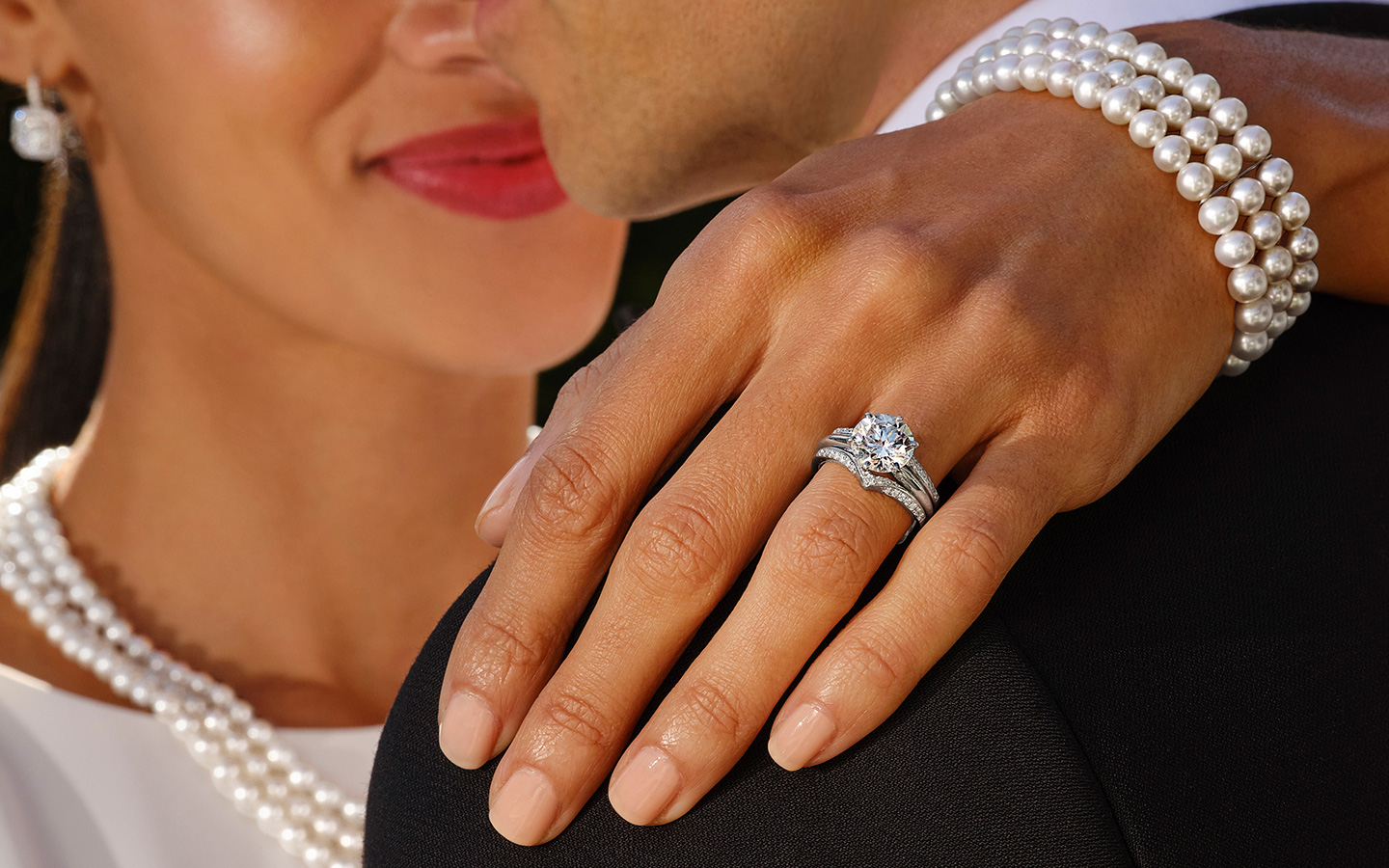
Selling a diamond for the first time can feel surprisingly personal. Whether the piece was once part of a celebration, inherited from a family member, or simply no longer suits your lifestyle, deciding to sell it often brings a mixture of uncertainty and expectation. Many first-time sellers are unsure where to begin, how a diamond is valued, or whether the offer they receive will reflect its true worth.
The process becomes much easier when you understand what buyers examine, which documents may be useful, and how to compare offers without feeling pressured. With thoughtful preparation, selling a diamond can be a clear and manageable experience rather than an intimidating one.
Begin by Understanding What You Own
Before contacting a buyer, take time to learn the basic details of your diamond. Its value is influenced by several characteristics, including carat weight, color, clarity, cut quality, and shape. Carat refers to the diamond’s weight, while color describes how colorless or tinted the stone appears. Clarity concerns natural internal marks and surface imperfections, and cut quality reflects how well the diamond has been shaped to interact with light.
The diamond’s shape also matters. Round, oval, pear, emerald, cushion, and princess-cut diamonds may attract different levels of demand depending on current preferences. Although these features are important, no single characteristic determines the entire value. Two diamonds of the same carat weight can receive very different estimates because of differences in quality, proportions, condition, and marketability.
If the diamond is set in a ring, necklace, bracelet, or pair of earrings, the setting will also be examined. Buyers may consider the type and purity of the metal, the condition of the jewelry, its craftsmanship, and whether the design is likely to appeal to another customer.
Gather Any Documents You Already Have
A grading report from a recognized gemological laboratory can make the evaluation process more straightforward. It may confirm the diamond’s measurements, carat weight, color, clarity, cut grade, and other identifying details. A receipt, valuation report, warranty, photograph, original box, or branded packaging may also provide useful background information.
However, not having these items does not mean the diamond cannot be sold. An experienced buyer should still be able to inspect and evaluate the stone using professional equipment. Documents may support transparency, but the physical characteristics of the diamond remain central to the final assessment.
It is sensible to gather everything related to the jewelry before arranging an appointment, even if you are uncertain whether each item will be relevant. Presenting the available information allows the evaluator to form a more complete picture and may reduce unnecessary delays.
Prepare Before Requesting an Evaluation
A little research can help you ask better questions and recognize whether an evaluation is being explained clearly. Before visiting a buyer, review the typical selling process, learn which characteristics affect resale value, and prepare a few questions about inspection methods, payment procedures, and offer conditions. Reading a reliable diamond selling guide can provide helpful context and make the first appointment feel less unfamiliar.
Avoid making dramatic changes to the jewelry before the evaluation. Aggressive cleaning, polishing, or repairs can sometimes damage delicate settings or alter the original finish. A gentle cleaning may improve its appearance, but professional advice is preferable when the piece is antique, fragile, or heavily worn.
During the evaluation, pay attention to how the buyer communicates. A trustworthy professional should be willing to explain what is being examined, how the diamond’s characteristics influence the offer, and whether the setting contributes additional value.
Understand Why Resale Value Differs from Retail Price
One of the most important expectations to manage is the difference between the original retail price and the current resale value. The amount paid in a jewelry store may have included branding, design work, marketing, showroom expenses, packaging, customer service, and the retailer’s profit margin.
A resale offer is calculated differently. It is usually based on the diamond’s current market value, quality, condition, desirability, and the costs involved in preparing it for resale. Buyers may also consider how quickly a particular shape, size, or jewelry style is likely to sell.
For this reason, an original receipt is helpful as a record but should not be treated as a guaranteed indication of the amount you will receive. Understanding this distinction can prevent disappointment and help you evaluate offers more realistically.
Choose a Buyer Who Values Transparency
The quality of the selling experience depends greatly on the person or business conducting the evaluation. Look for a buyer who has relevant expertise, operates from a credible location, and explains the process in language you can understand.
You should not feel pressured to accept an offer immediately. A professional buyer will usually allow you to ask questions and consider the terms before making a decision. Be cautious when explanations are vague, when the inspection takes place out of view without a clear reason, or when you are urged to hand over the jewelry before payment arrangements have been confirmed.
Obtaining more than one evaluation can also be useful. Different buyers may have different customer bases, resale channels, or levels of interest in a particular type of diamond. Comparing offers can help you identify a reasonable market range, although the highest figure should not be the only consideration. Payment security, professionalism, transparency, and convenience are equally important.
Protect Your Jewelry and Personal Information
Safety should remain a priority throughout the process. Arrange evaluations in a secure, established location rather than an unfamiliar or private setting. Before attending, ask whether an appointment is required, whether the examination will take place in front of you, and what identification or documents you should bring.
Confirm the payment method in advance and make sure you understand when ownership of the jewelry is transferred. Do not leave the item behind unless you have agreed to the terms and received appropriate documentation. It is also wise to limit the personal information you share to what is genuinely necessary for the transaction.
Make the Decision at Your Own Pace
Selling a diamond for the first time does not have to be confusing or stressful. The most confident decisions usually come from understanding the jewelry, bringing any available documents, choosing a transparent evaluator, and comparing both the offers and the conditions attached to them.
Take time to ask questions and consider whether the proposed value has been explained fairly. A diamond may carry emotional memories as well as financial worth, so there is no reason to rush. With careful preparation and a reputable buyer, you can approach the sale with realistic expectations and complete the process with greater confidence.

Tina Hudson is the voice behind Fashion Ticky, a fashion blog she started featuring the latest trends in fashion and beauty. With her finger on the pulse of what’s hot each season, Tina shares outfit ideas, makeup tutorials, and styling tips to help her devoted readers develop their own fabulous sense of fashion. When she’s not blogging, you can find this savvy stylist hunting for vintage treasures and snapping Instagram-worthy travel pics with her French bulldog in tow.